DIY Tips
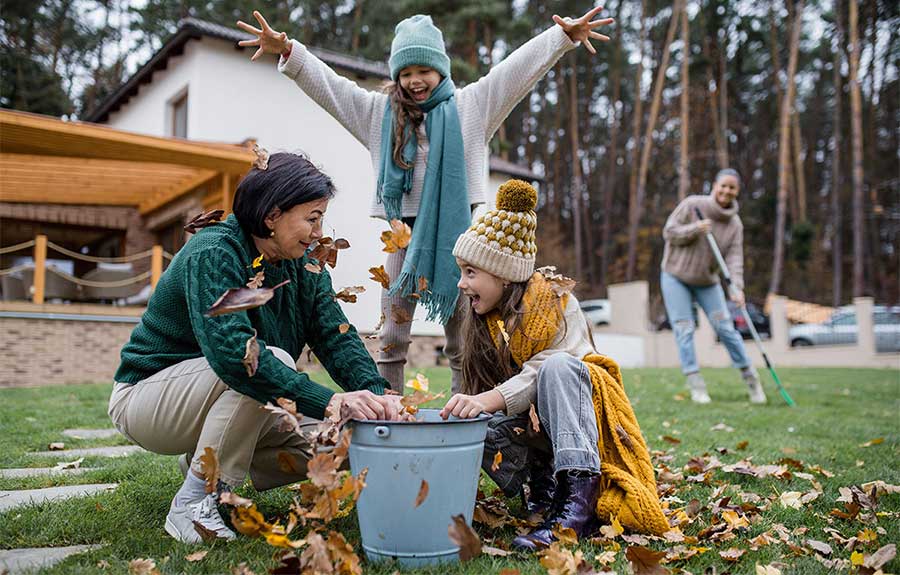
Fall is the perfect time to prepare your home for colder weather and finish up any remaining summer projects. Take advantage of the cooler temperatures and downtime before the holiday bustle begins by tackling these must-do fall projects.
Prepping for the holidays can be enjoyable, but it can also mean increased safety hazards in the house. Over the next couple of months, you'll be occupied with holiday decorations, cooking large family meals, enjoying fires in your fireplace, lighting candles, and maybe setting up a Christmas tree. Prepare for the possible hazards these activities may bring by testing your smoke alarms and carbon monoxide detectors and replacing the batteries.
Also, make sure you have a functioning fire extinguisher on each floor of your home. Look for an expiration date on the label to confirm it hasn't passed. In addition, ensure that the pressure dial is in the green (or charged) area. Protecting your home against residential fires will provide peace of mind as you make your space cozy for the holiday season.
Doors and windows are the primary sources of wasted energy in most homes. Apply caulk, weather stripping, and insulation inside and outside of your home to ensure you don’t waste any energy – or see increased energy bills – by allowing heat to leak out. Check the weather stripping around your doors, windows, and garage door; the felt strips seal these openings to prevent drafts, but they can wear down over time. Replace any faded weather stripping and fix drafty doors to increase energy efficiency.
Your gutters work hard during fall and winter, so it’s important to clean them out before it gets too cold. Clogged gutters can overflow with rain or snow, leading to roof damage and pooled water at the base of your home. This can place strain on your foundation over time.
Start by removing the leaves that accumulate on your roof with a roof rake. Simply position the rake behind the debris and pull forward until they fall off the roof. Next, carefully climb up to your gutters, put on some waterproof gloves, and scoop out the leaves by hand. Just remember to always keep one hand on the ladder for safety.
If you have a wood fireplace, clean it out thoroughly, check the chimney, and make sure that you have an ample supply of firewood. Even if you plan on cleaning and maintaining it yourself, it's a good idea to have a professional do an initial inspection, as they will be able to ensure your chimney isn’t at risk for a chimney fire and can walk you through safety tips. Gas and electric fireplaces can also benefit from an annual inspection before winter begins.
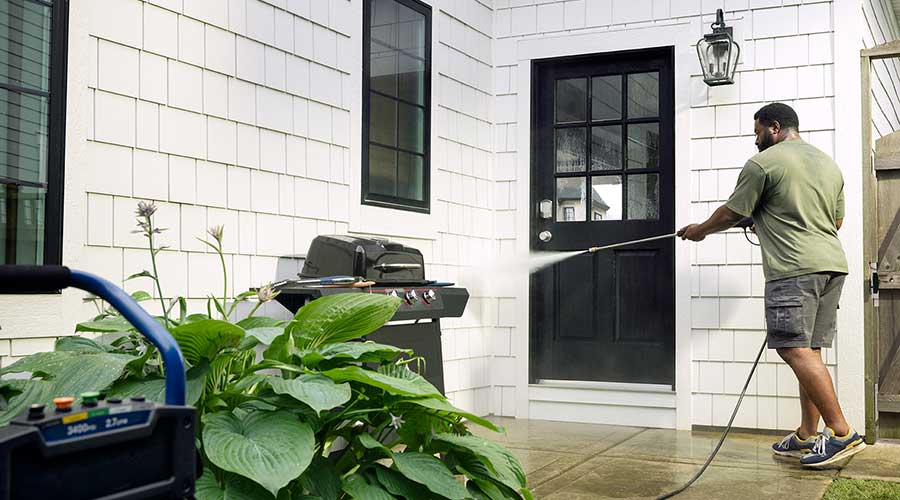
Your lawnmower, grill, and other tools are probably dirty after using them during the spring and summer. Don't let that dirt and grime sit around all winter. Instead, take the time to clean, tune up, and properly store and/or cover these items so they will be ready to go in the spring. Consult your safety manuals to check which items can be safely stored below freezing during the colder months and take care of winterizing any additional items, like draining used oil.
Fall is an excellent time to clean your carpets. Carpets and rugs tend to collect dirt, dust, and grime all summer long, and you’ll want them to be clean for your indoor winter activities. Be sure to open your windows and air out your house as the carpets and rugs dry – another bonus of tackling this project in the fall before temperatures dip.
Forgetting to prep your exterior water outlets could result in an expensive mess. Water lines that are exposed to outside temperatures, including underground irrigation lines and exterior faucets, can freeze. When water freezes, it expands, which may cause cracked pipes or hose bibs.
Start by turning off the water lines inside your house. The shutoff valves are usually located near the main plumbing line that brings water into your home. Then, open your outdoor spigots to drain the water in the lines. (If you need to drain your irrigation lines, you'll need a professional.)
Occasionally check the faucets to ensure that water isn't leaking out. If water is leaking, the shutoff valves either aren't closed all the way, or they need to be replaced. It’s much easier to take care of any leaks while the weather is still warm, rather than realizing you have an issue to take care of in the cold weather.
The last thing you want is for branches to collect frozen water or snow, as they could potentially get too heavy and fall onto your house during a winter storm. Now is the time to inspect nearby trees and shrubs and cut any dying branches or limbs hanging over your home before they can do serious damage. However, make sure to resist over-trimming. Trimming promotes new growth, so wait until your bushes and trees are truly dormant (after the winter, in early spring) to do your annual pruning.
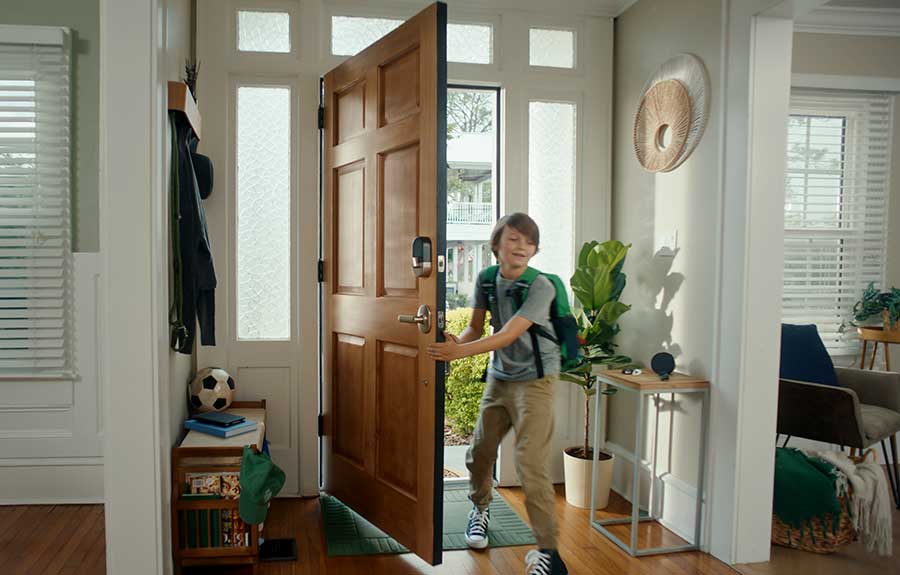
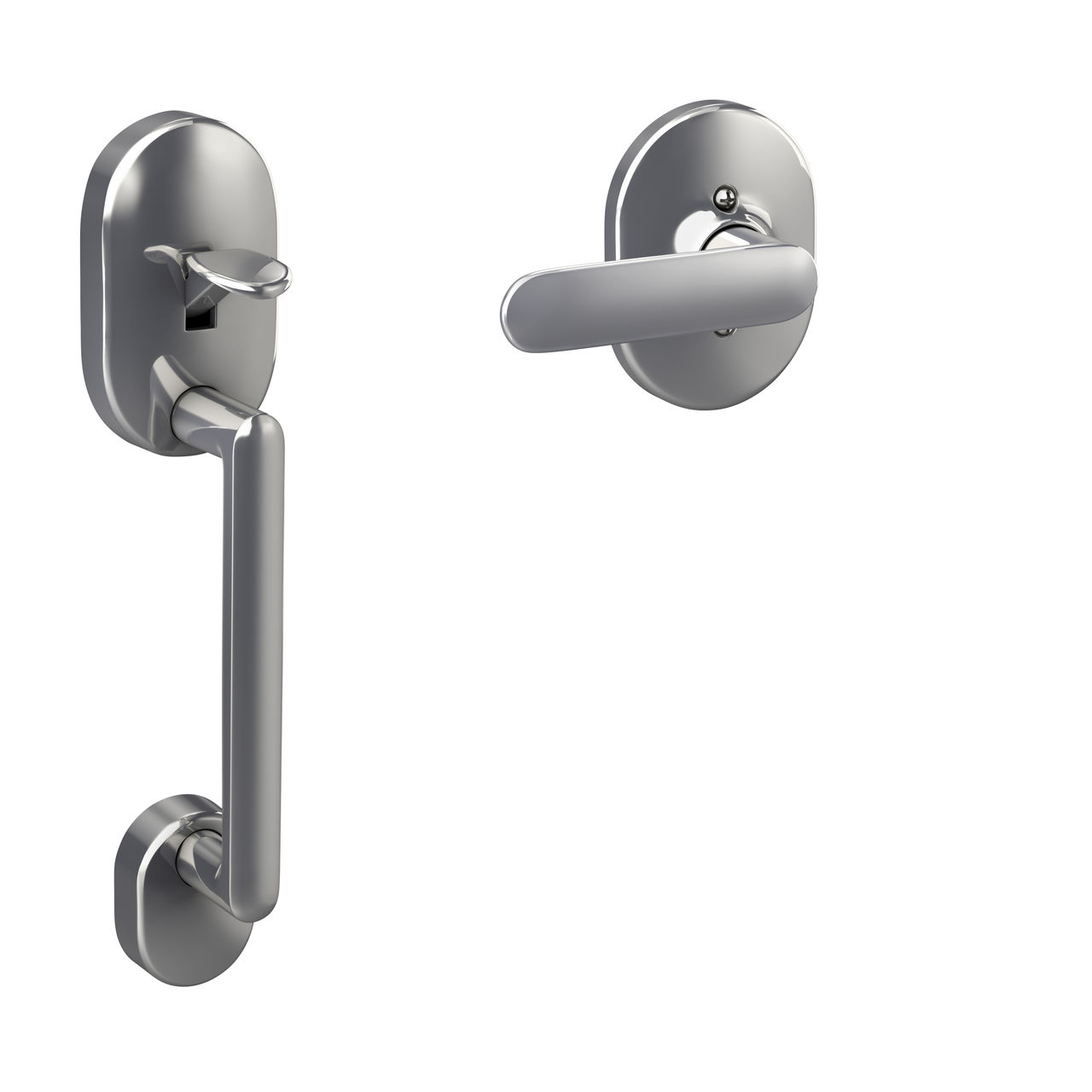
Exterior door lock alignment can be affected by changing temperatures. If there is moisture slightly warping exterior doors or if you have thick weather stripping, it can affect the fit of your door, potentially throwing off the latch or deadbolt alignment. If any of your exterior locks aren’t working like they should, follow these tips to fix misaligned doors.
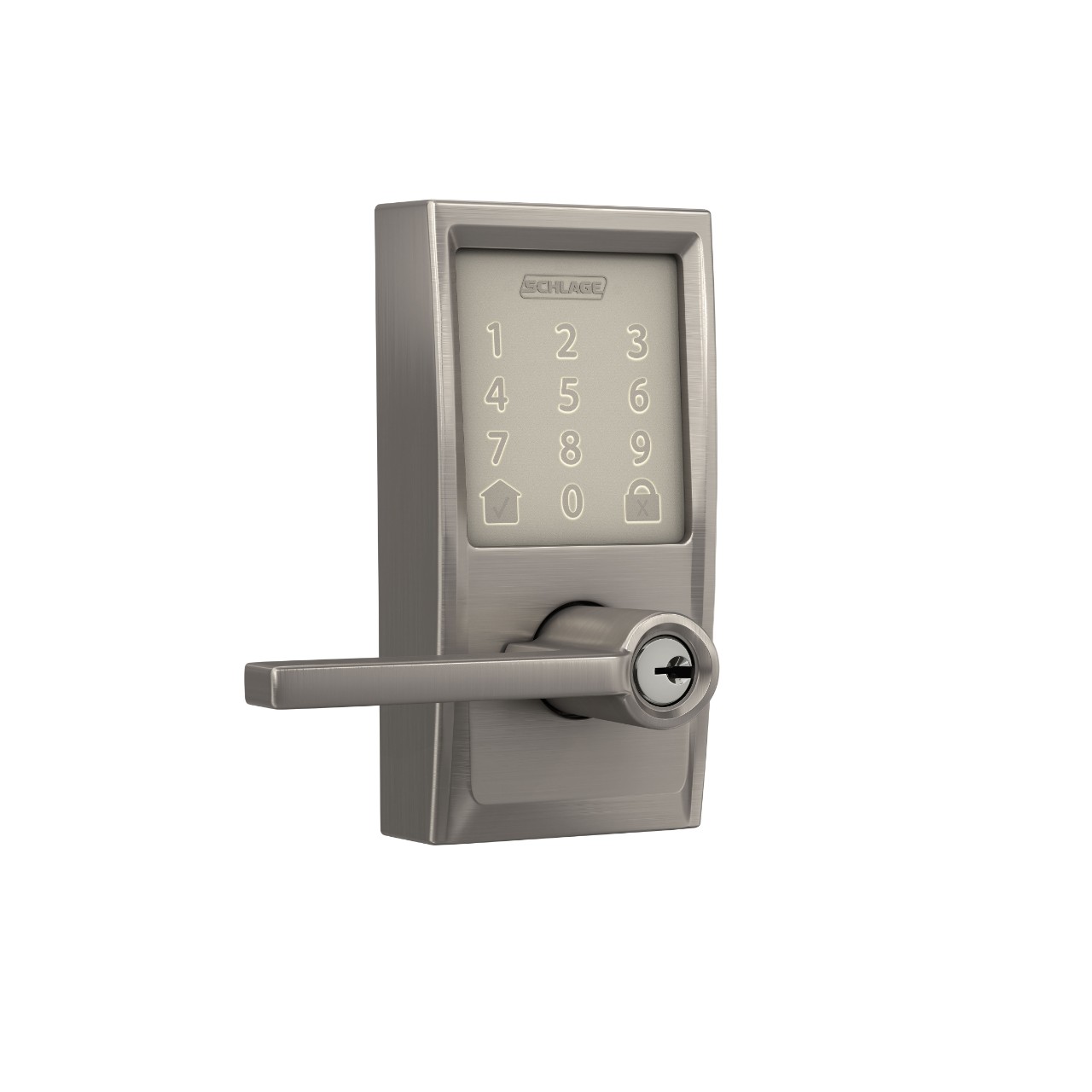
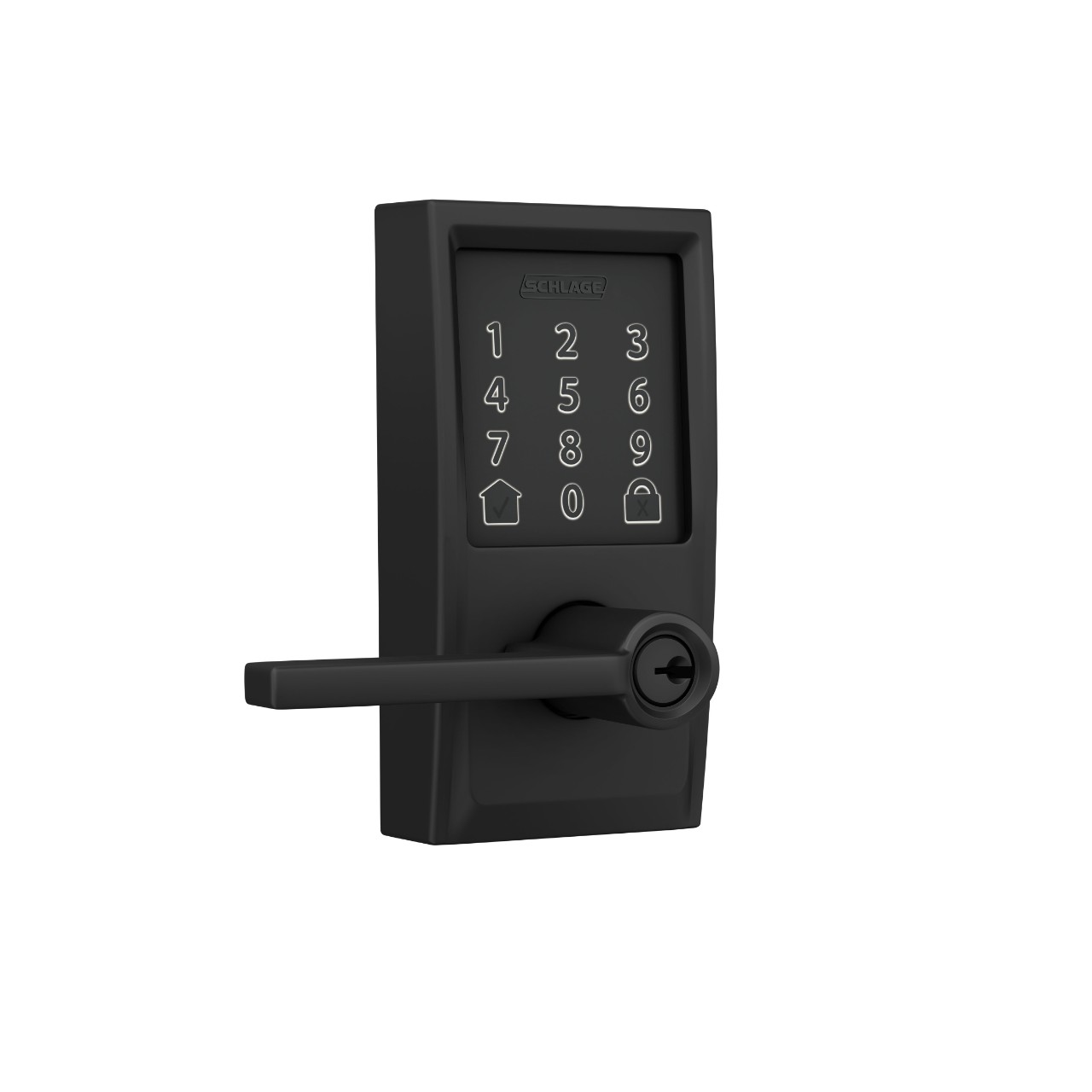
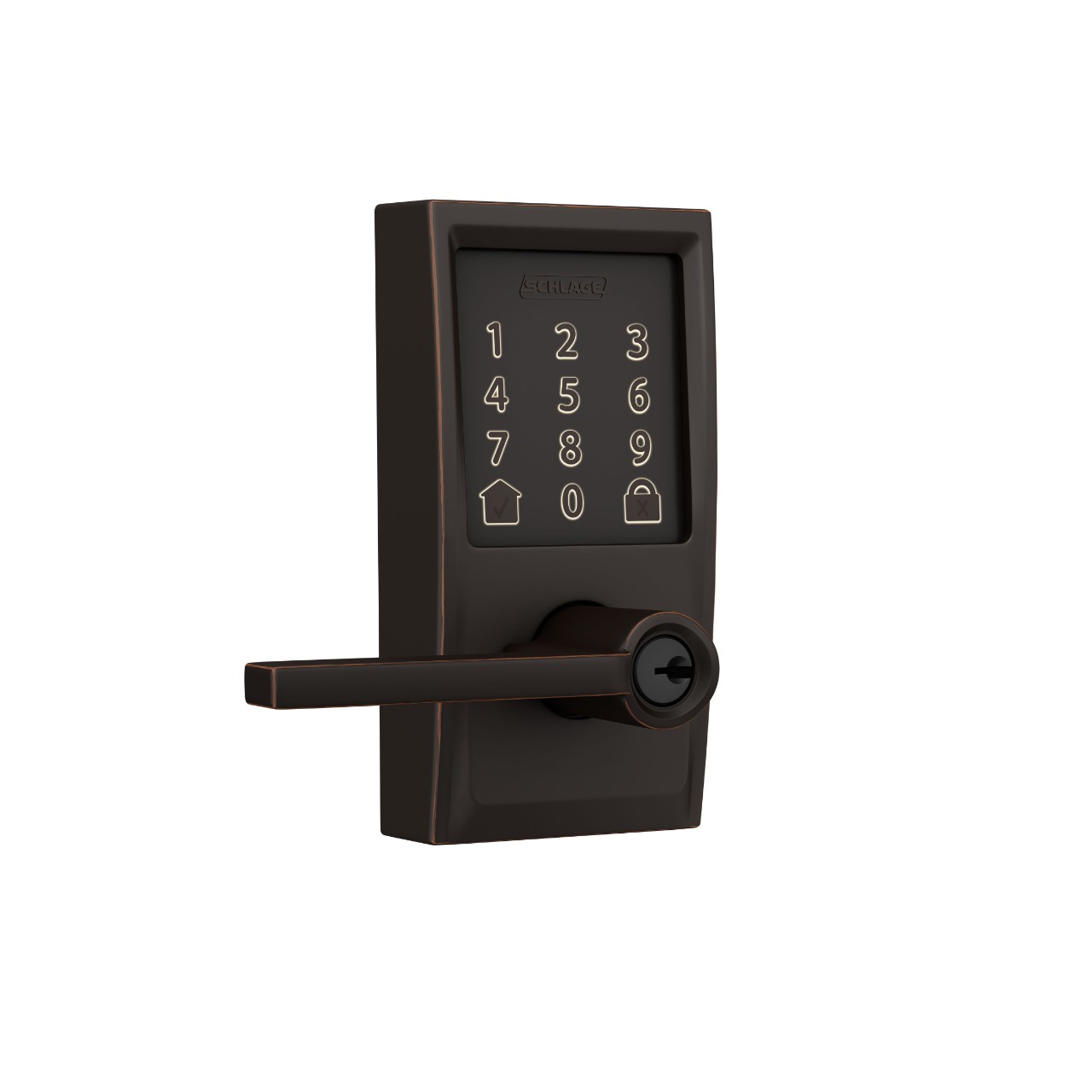
Use the changing season as a reminder to check and replace the batteries on any smart locks in your home. Although Schlage smart locks include low battery indicators, including predictive battery analytics for the Schlage Encode family, it’s still a good idea to install fresh batteries before the weather dips into the lower digits.
If you’re looking to take on additional projects this fall to prepare your home for the winter season, check out our Facebook, and Instagram for more helpful DIYs and security tips.

From $299.00





From $29.99



From $309.00


From $199.00

From $136.00



Back to top