Home Security
Do you know how secure your home is? It’s easy to overlook the obvious when you’re staring at the same walls every day. And it’s tempting to fall into risky habits when you’re just trying to make it through another busy week. Take control of your safety – and that of your family and house – with these 10 home security audit checkpoints.
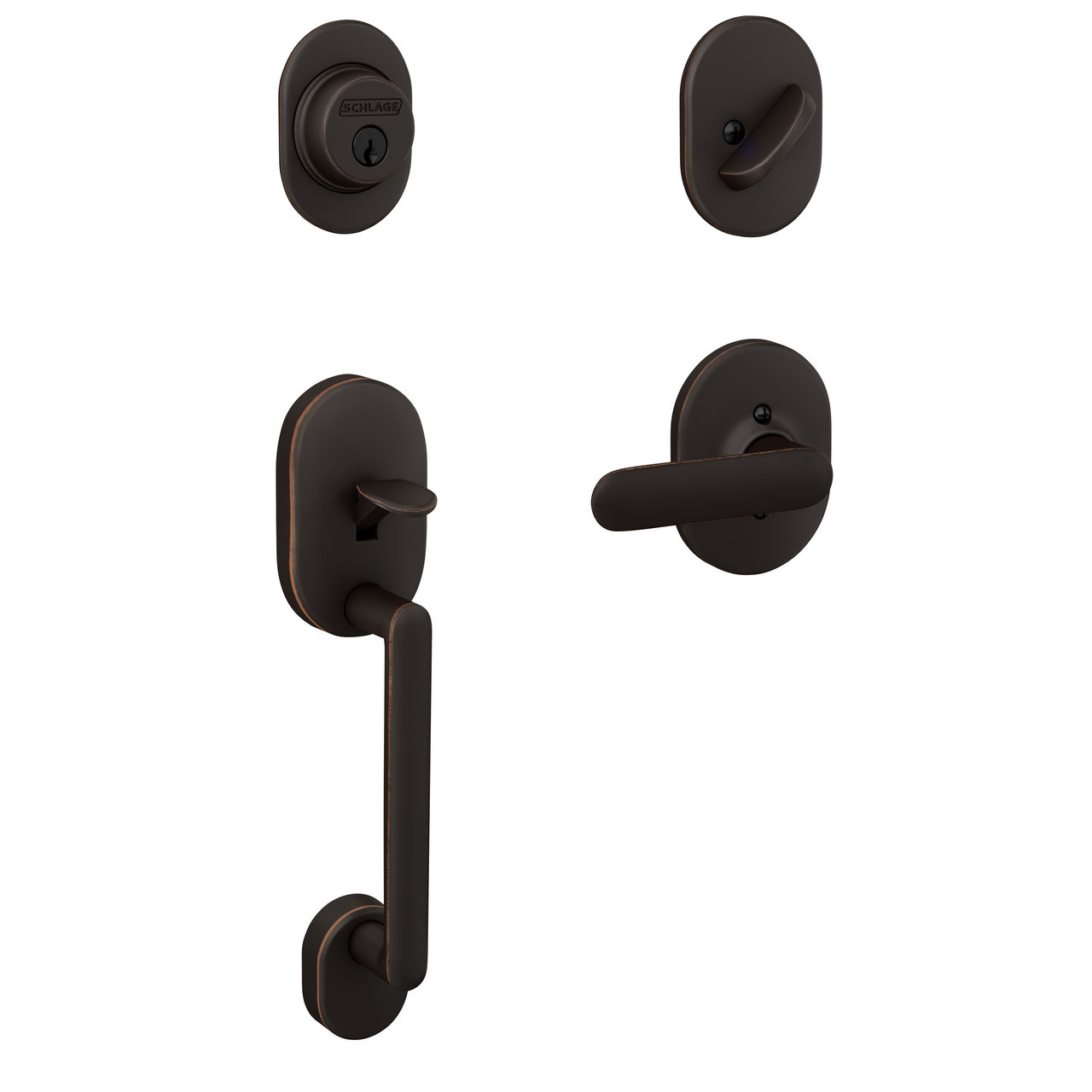
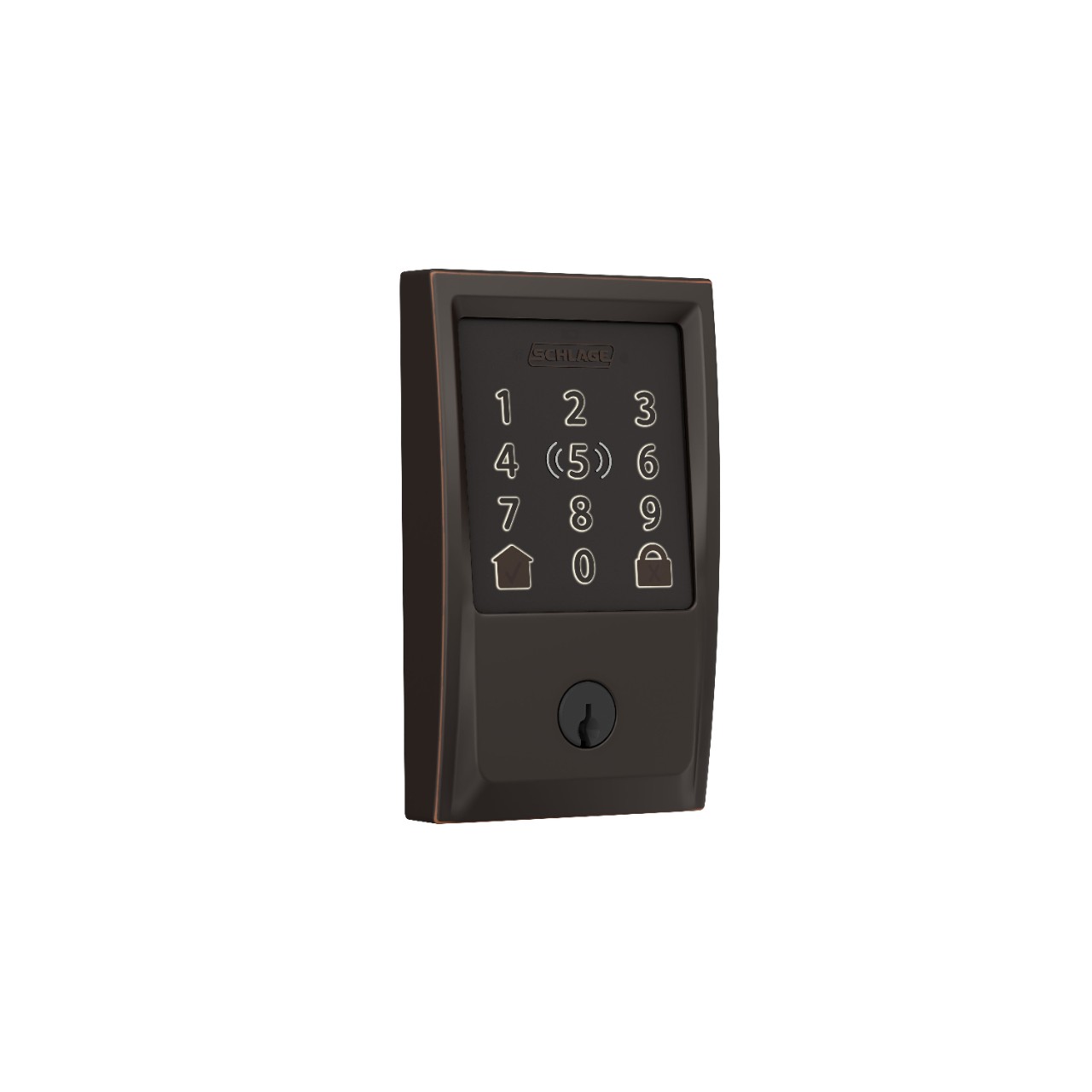
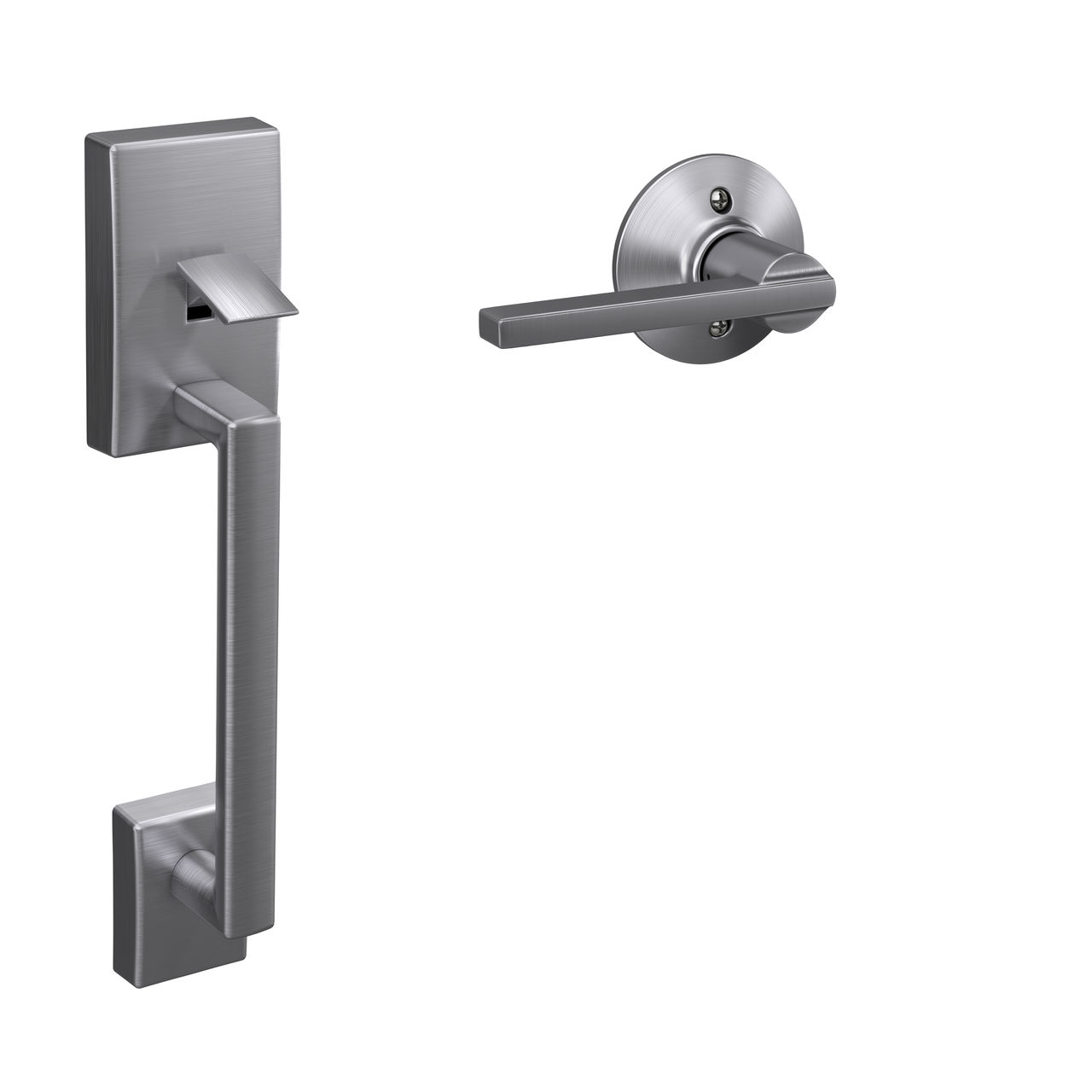
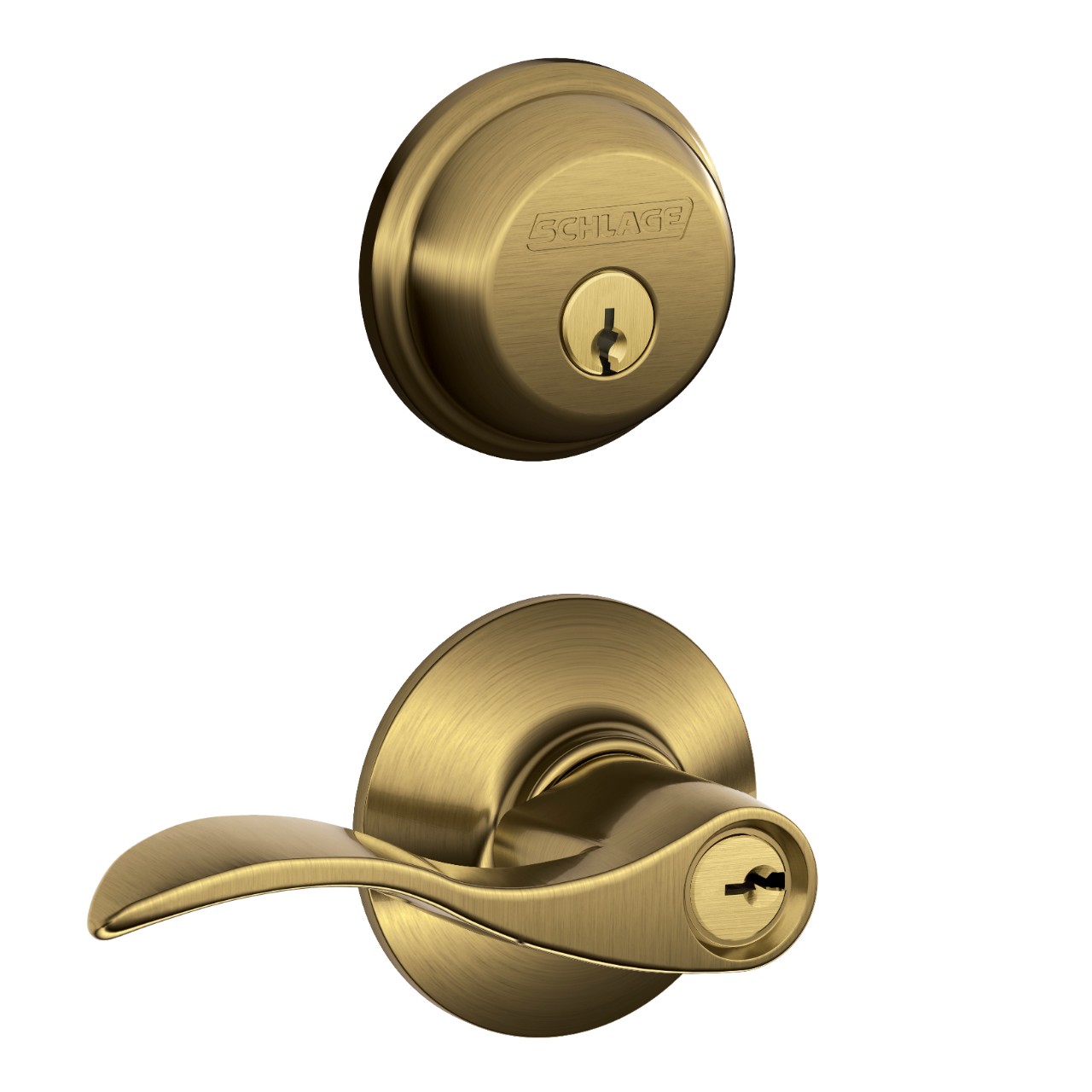
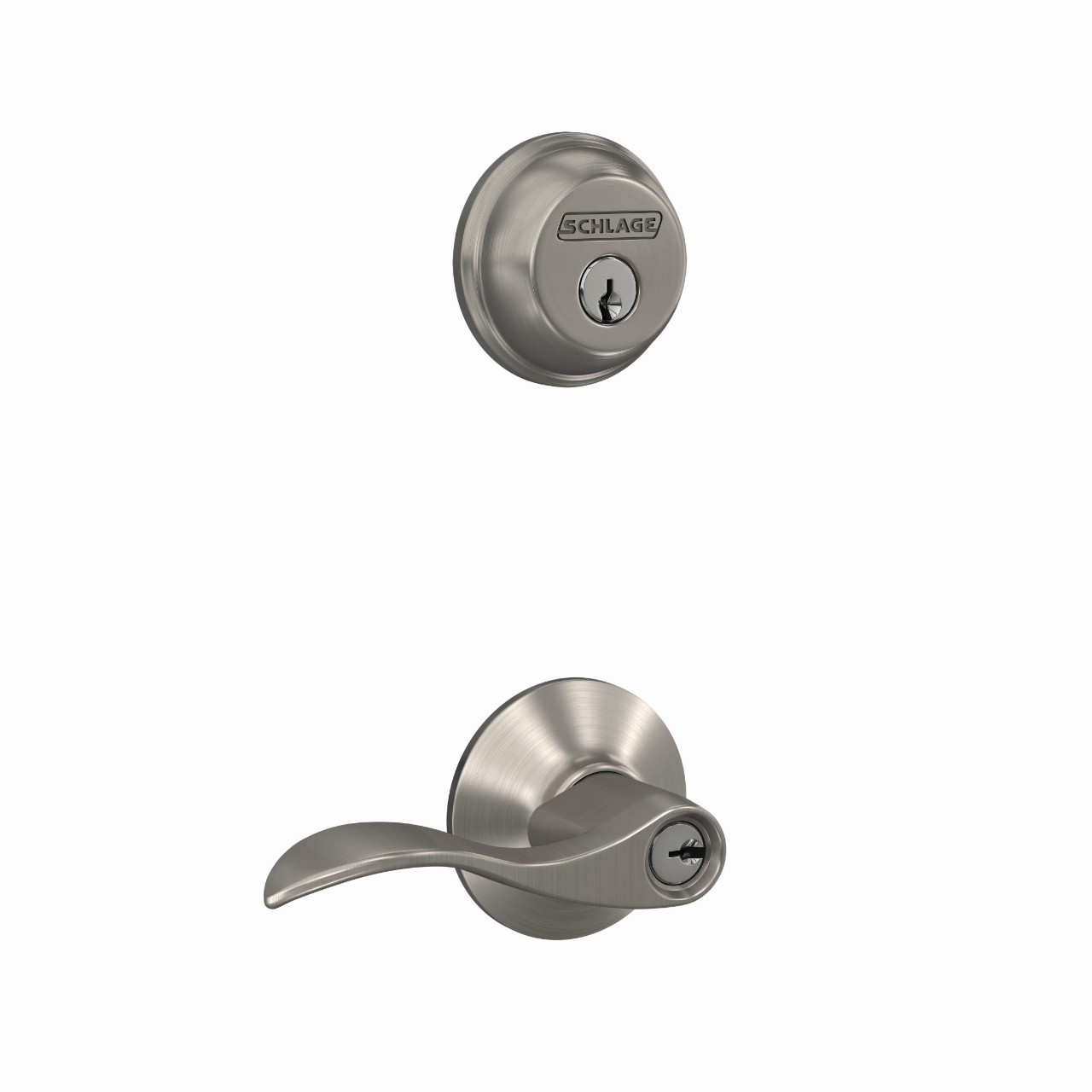
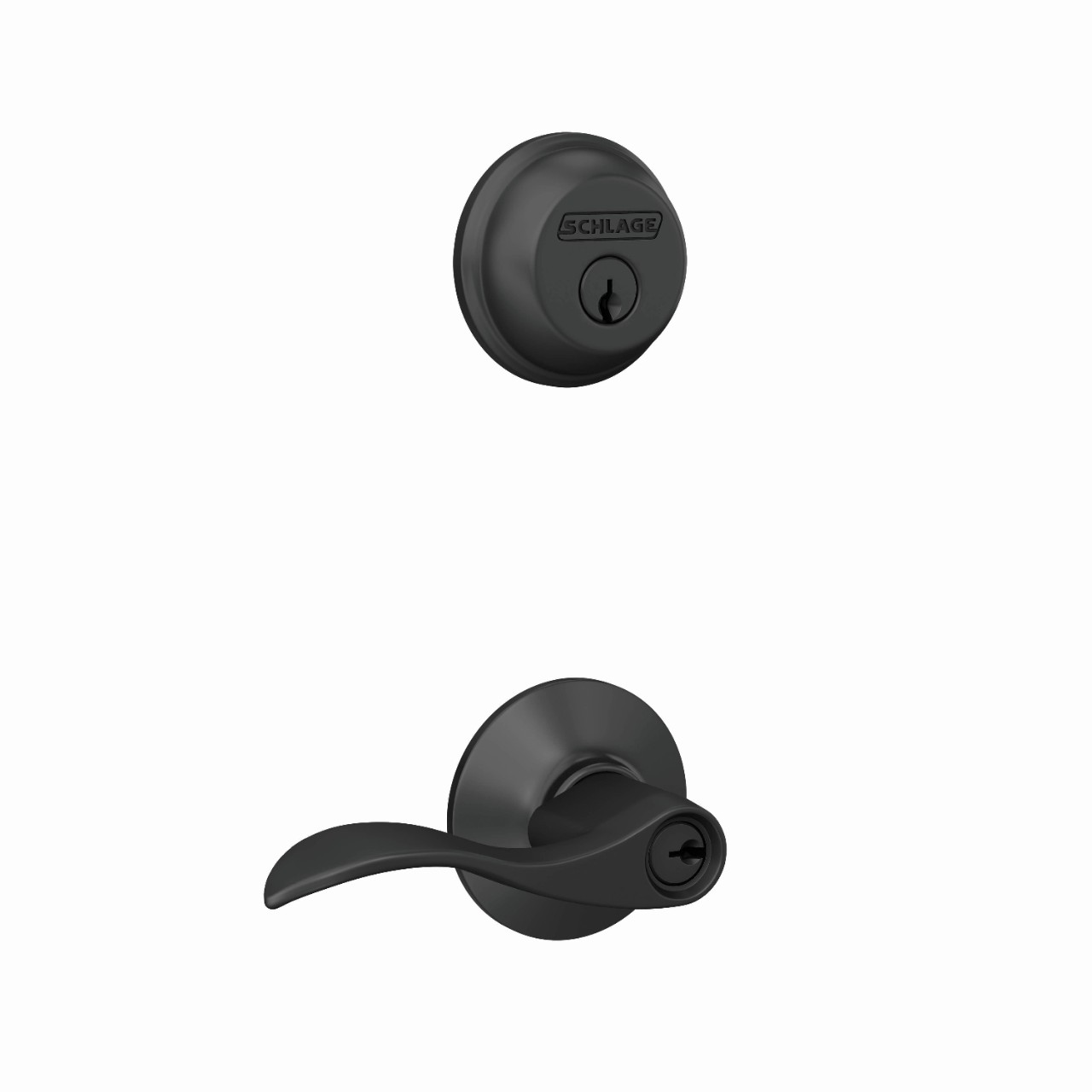
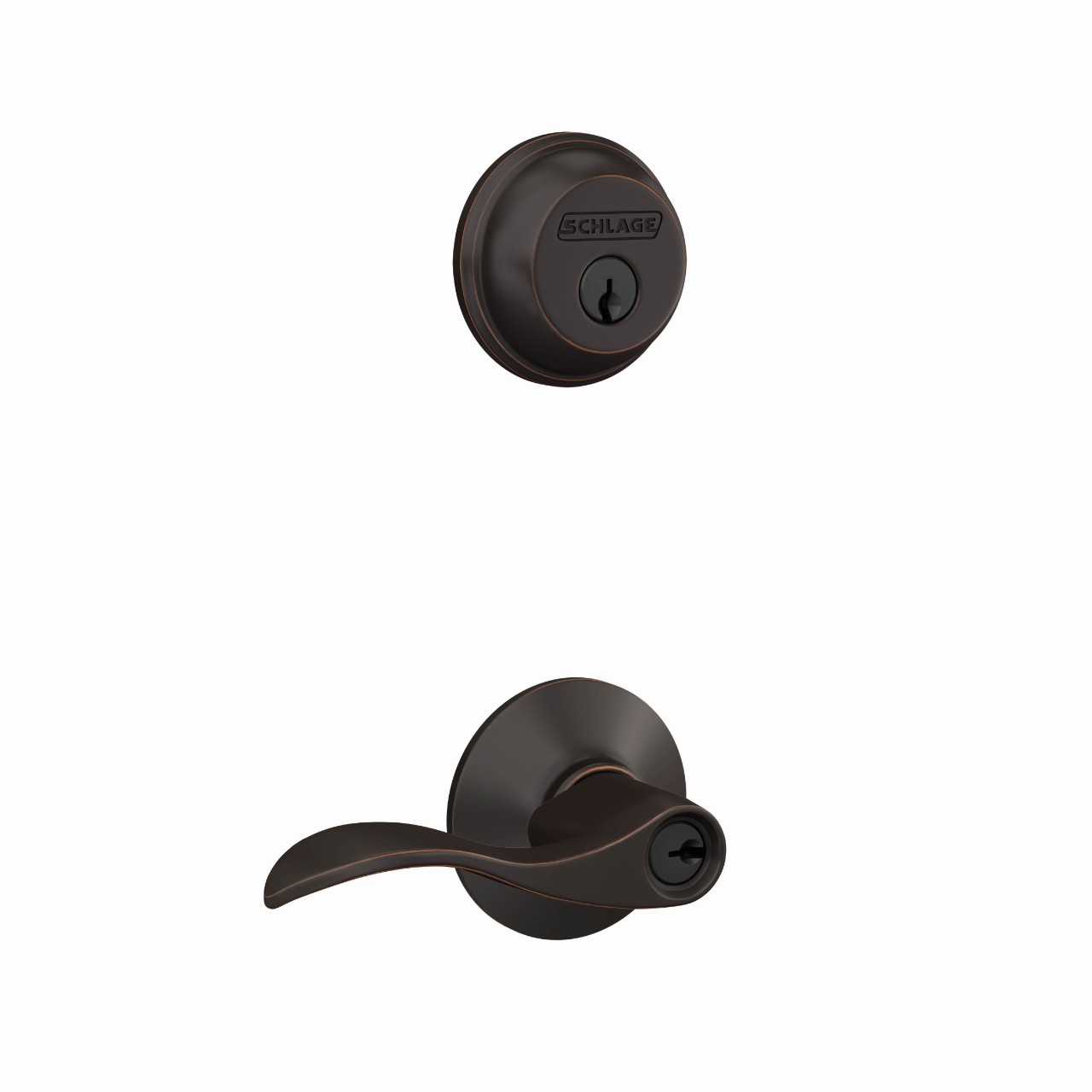
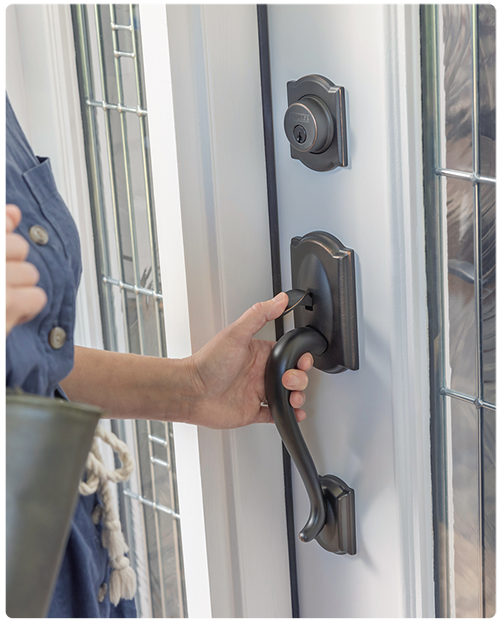
Your exterior door deadbolts are key to your line of defense against burglars. During your home security audit, check that each exterior entrance to your home has a working entry lock and secure deadbolt lock. Double check that locking/unlocking is smooth from both the inside and outside of the door, address any sticking points, and figure out if all exterior doors are keyed alike. For ultimate peace of mind, check the BHMA grading of your locks; AAA ratings are best-in-class and mean that your lock received the highest grading for security, durability and finish. If your deadbolts don’t provide the security you need, consider upgrading to a more durable option; Schlage door locks are top-rated and deliver strength and durability you can count on.
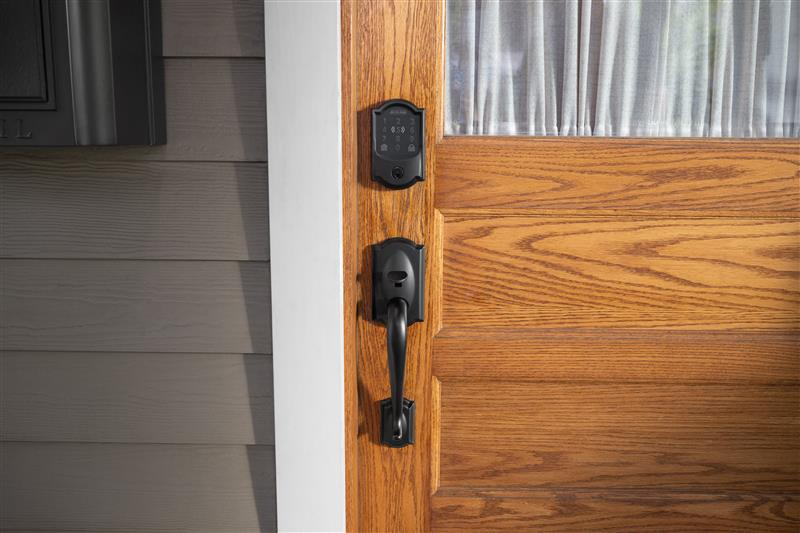
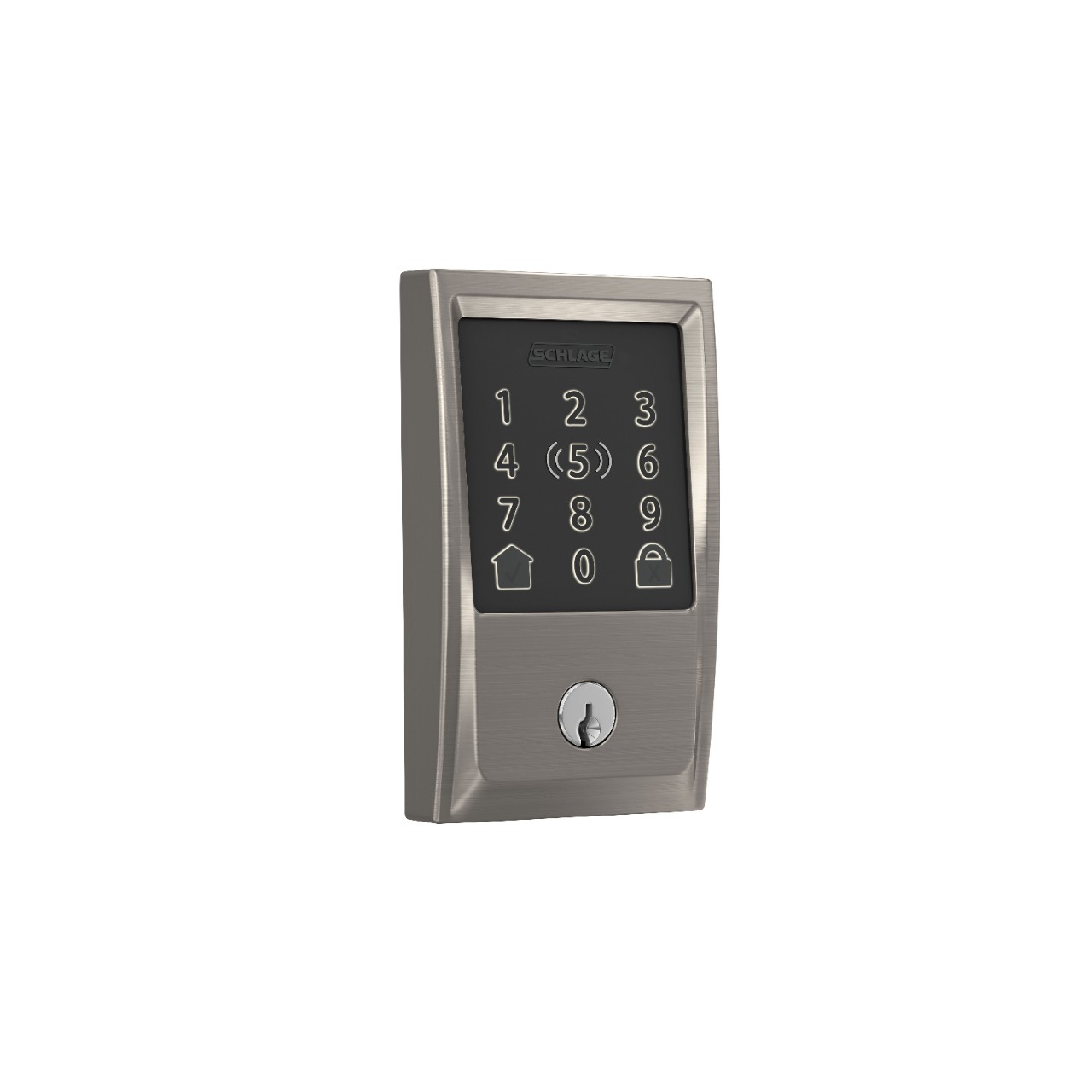
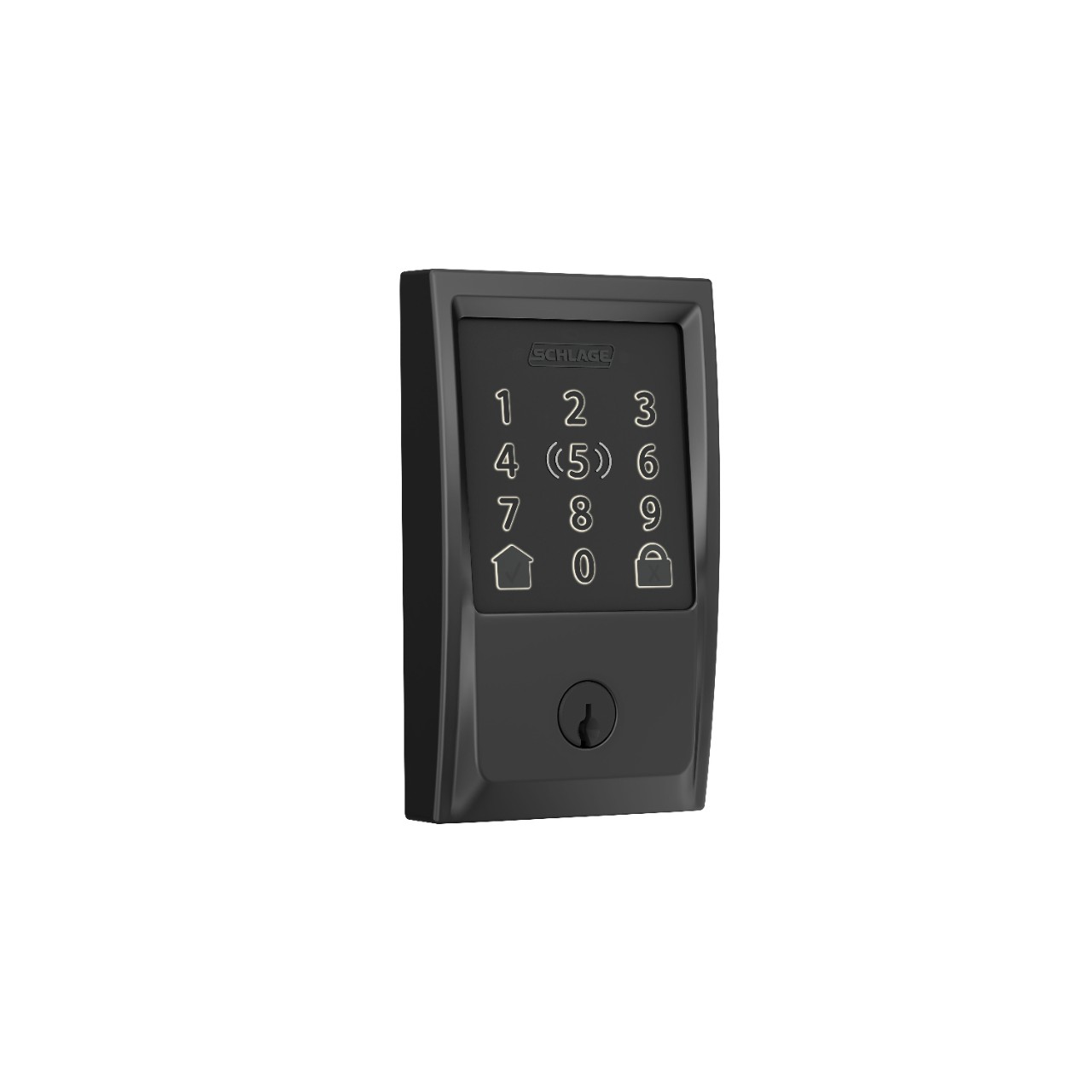
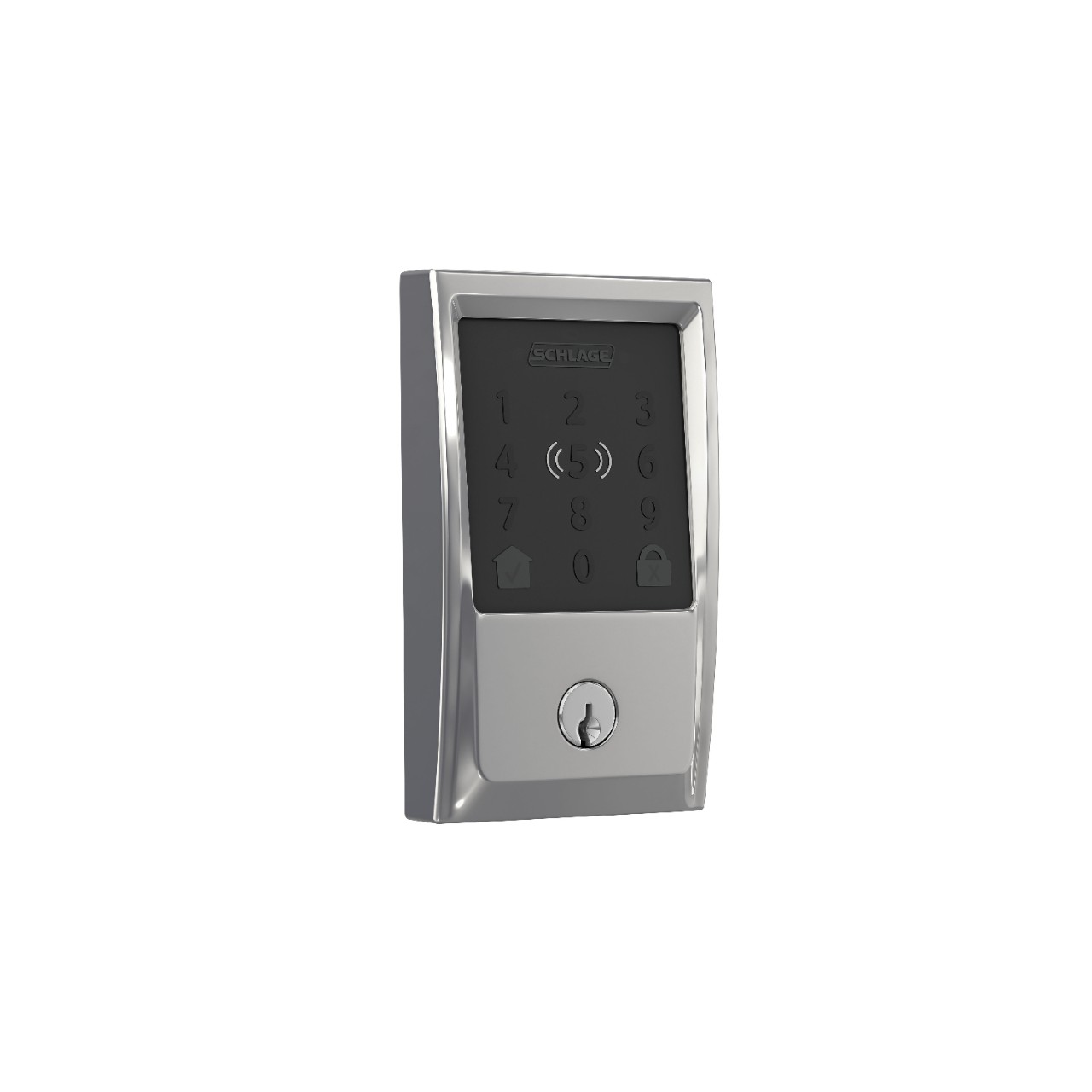
If you have a mechanical deadbolt and are struggling to keep track of keys, have a hard time keeping exterior doors locked or are interested in a more convenient option, consider upgrading to a Schlage smart lock that allows you to control home access from anywhere. If you already have a Schlage smart lock, make sure your Schlage Home app firmware is up to date and learn how to get the most out of your smart lock’s security features.
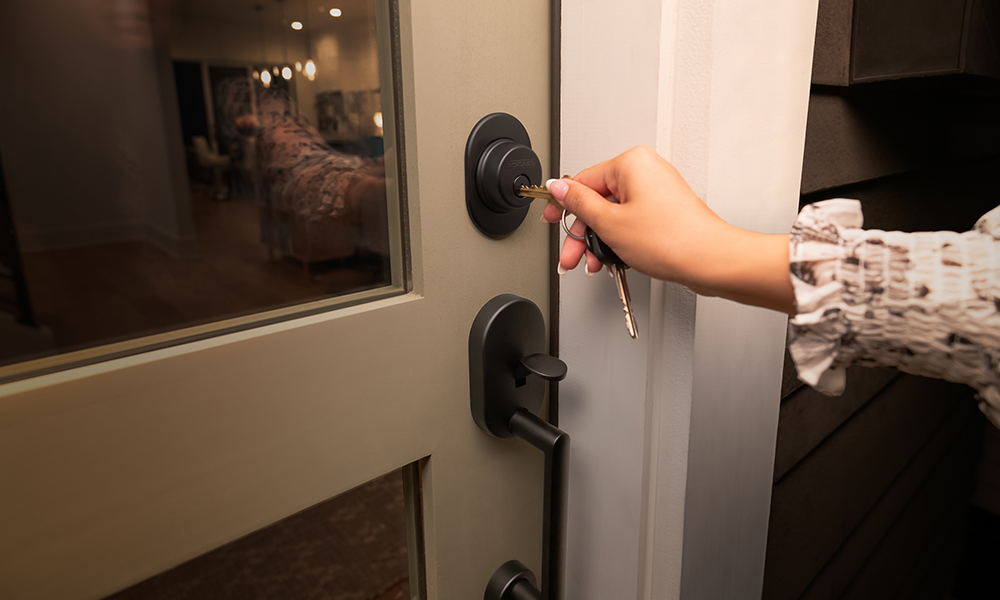
Especially if you’ve lived in your home for a long time, you may have lost track of who has a spare key. Or maybe your kids misplaced a spare. Or maybe you need to move your spare key from under the door mat to a trusted neighbor. During your security audit, take inventory of all keys. If you can’t account for all the spares, consider replacing your locks or having them rekeyed. And, again, if missing keys are an on-going problem, it really is a smart idea to consider getting an electronic lock or smart lock. If you do have a Schlage smart lock, conduct an audit of your user access codes in the Schlage Home app. Go through and make sure you know who has access and when, deleting old guest access codes or updating scheduled access codes. For a further layer of security, set up customized push notifications so that you get an in-the-moment notification as people are coming and going.
If you have a security system, like Ring, make sure the settings are up-to-date for your lifestyle, that only the appropriate people have the codes, and that batteries, if required, are fresh. Consider changing passcodes and pairing your security system with smart home devices for greater security.
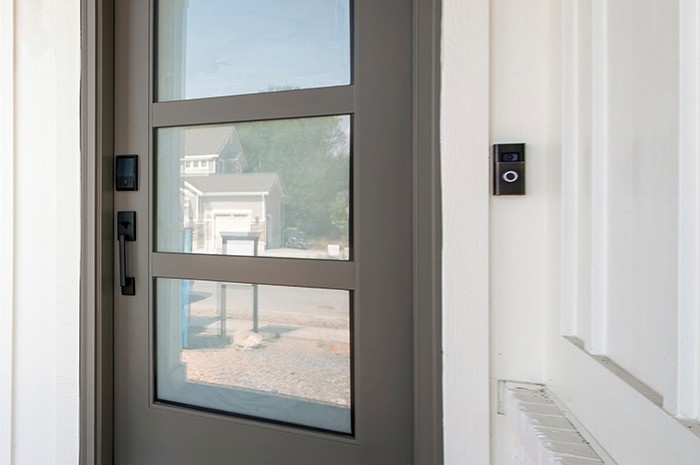 Ring video doorbell and Schlage Encode Plus™ Smart WiFi Deadbolt
Doors and windows are both tempting entry points for intruders. Evaluate the material and condition of your door – solid core wood or steel doors are typically best – and check your windows for cracks, weak frames and broken latches. Make sure all windows are always locked, especially those that are frequently opened for ventilation. Consider installing shatter-proof glass both in traditional windows or those inset in your doors. Realign and tighten door hinges.
Greenery does wonders for your curb appeal, but shrubs can also create hiding places for intruders. Overgrown tree branches can also fall on your roof or car, causing thousands in property damage. That's why it's smart to keep bushes and trees trimmed, especially those around windows, doors and gates.
Evaluate your outdoor lighting – are there poorly lit areas that would make a good hiding place? Make sure outdoor flood lights have working bulbs and check any lights that are on a motion sensor. Make sure all your exterior entrances are well lit and consider a timer or smart lights that will make turning lights on at dusk something you don’t have to remember.
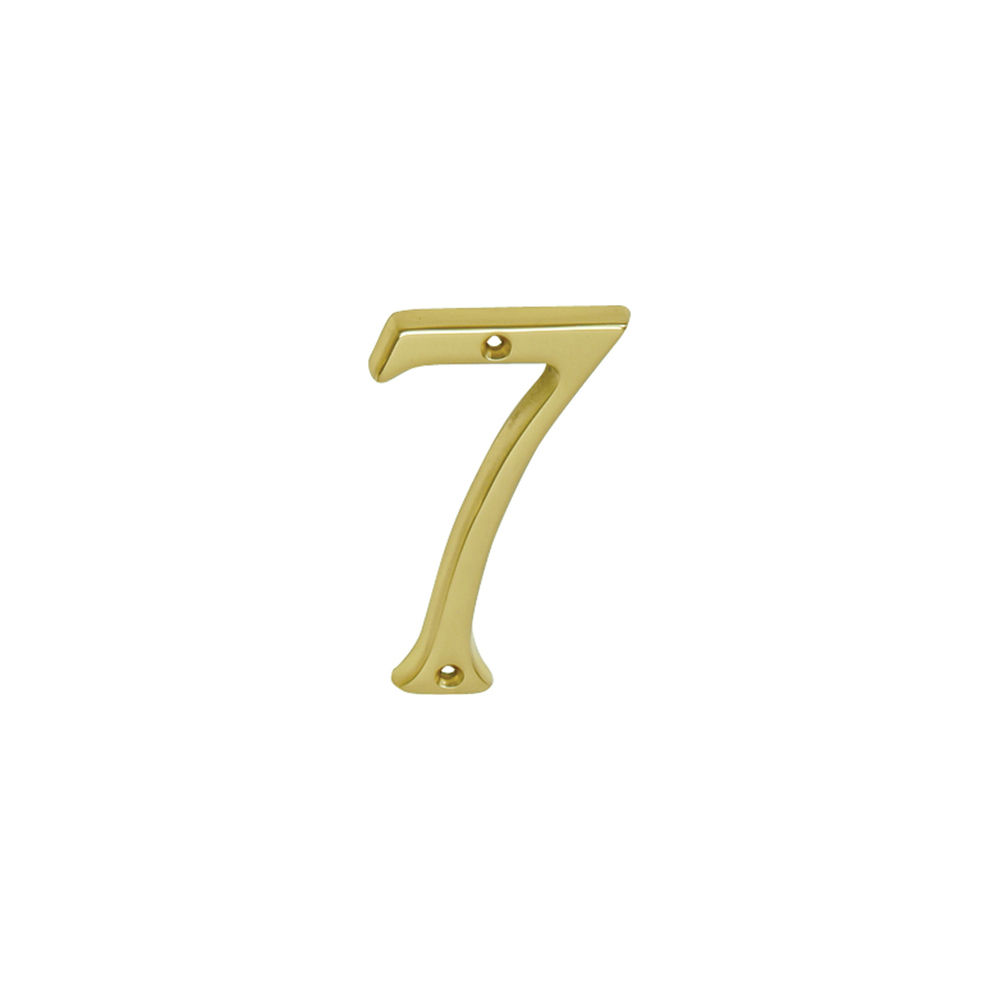
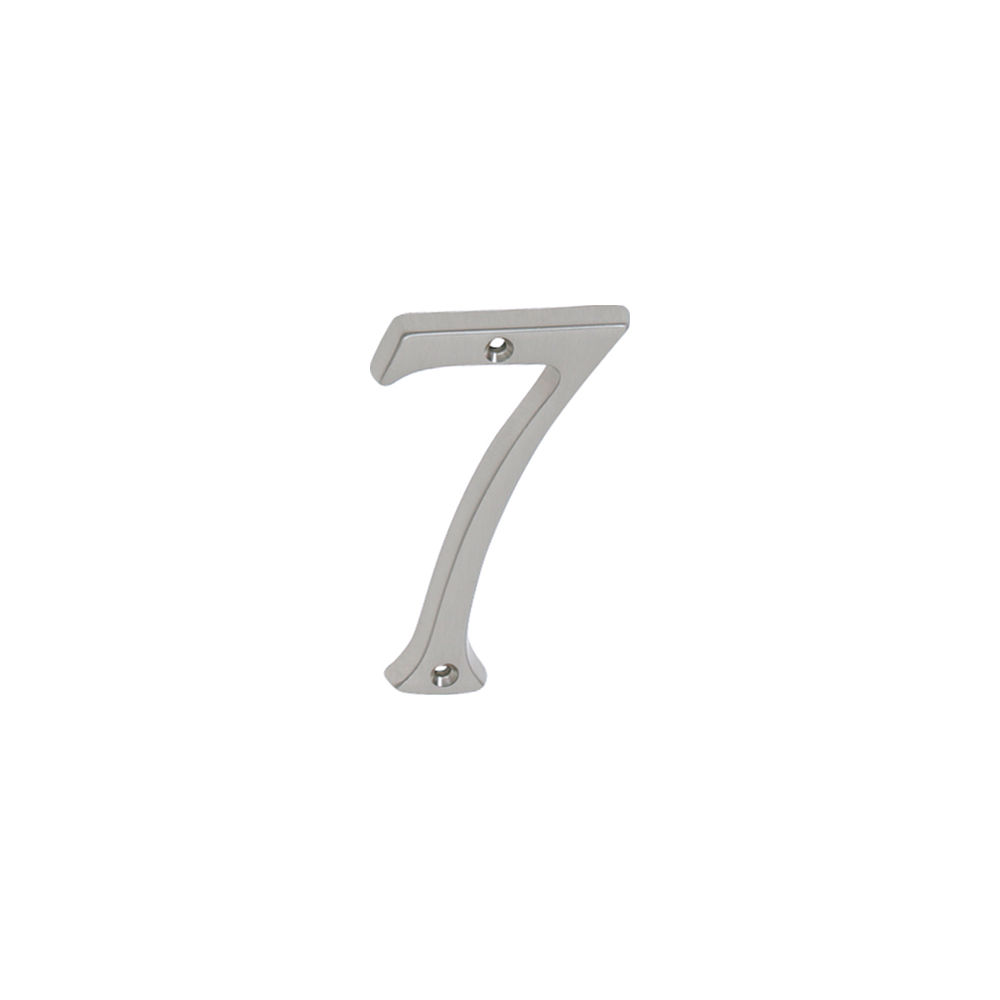
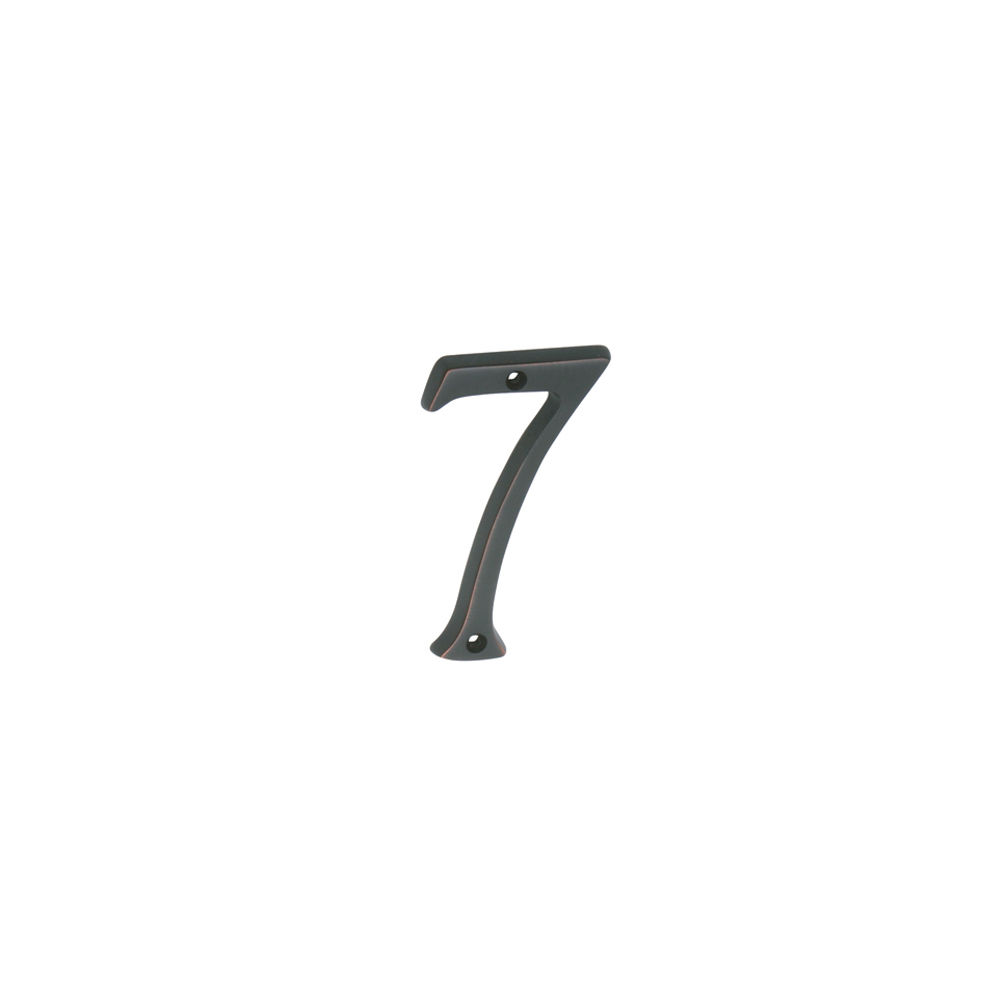
When emergengies happen, house numbers that can be read easily from the street make it faster for emergency responders to locate your home. Remove tree limbs that may be obstructing the numbers or install new ones that are closer to the street, such as on your mailbox or a planter.
If you have a detached garage, make sure locks are in proper working order. This includes side entrances, not just where you pull your car in. Run the same checks here as you do for the exterior of your home. If you have an attached garage, do you have a deadbolt on the doorway leading to both the garage and into your home? Take a look at your garage doors and make sure they have a physical lock you can engage as an additional layer of security to your automatic door opener. Check the batteries on your garage opener and consider updating any access codes if your garage has a keypad. If you store toxic chemicals or dangerous tools in your garage, make sure they are secured and out of reach of kids and pets and safely dispose of materials you no longer need.

Check that all bedrooms, kitchens and garages, at a minimum, have working smoke detectors. Test each smoke detector and check expiration dates – as a general rule, smoke detectors should be replaced ten years from the date of manufacture as the sensors become less effective over time. Carbon monoxide detectors are recommended on every level of your home and near each bedroom or sleeping area. Check batteries in both smoke detectors and Carbon monoxide detectors, and make sure to install new batteries annually. Next, install or check fire extinguishers, fire blankets, first-aid kits and other safety devices around the home.
Evaluate your own behavior. Are you sure to keep your doors locked, even when you’re home? Do you make it too obvious that the house is empty when you’re on vacation? Find the weak spots in your own daily routines and take steps to correct them. If you have a Schlage smart lock, make sure you have turned on auto-lock and customized your settings to help minimize the risk of accidentally leaving your home unlocked.
Make sure everyone in the house – from kids to grandparents – knows how to keep your home secure. Everyone should know how to lock doors and windows, who is permitted access to the home and what to do in the event of an emergency. Teach your kids basic home security and empower them to help keep everyone safe.
We recommend completing an audit at various times of year – perhaps every six months – and during the day and night each time. That will help you to uncover any weak spots you might not have noticed in the daylight or when there are leaves on the branches in the summer months.
After each security audit, you might have improvements to make. Consider all your options when making updates. Replacing the light bulb over your garage is simple, but installing a motion-activated flood light or camera could enhance your security even more. Simply replacing your front door lock is an easy DIY that makes a big difference to your home security (and curb appeal!). If you are interested in a more convenient option that offers premium security, use our Get Help Deciding Tool to find out which Schlage smart lock is right for your home and your lifestyle.
For more ideas on how to improve your home’s security, visit our blog archive.
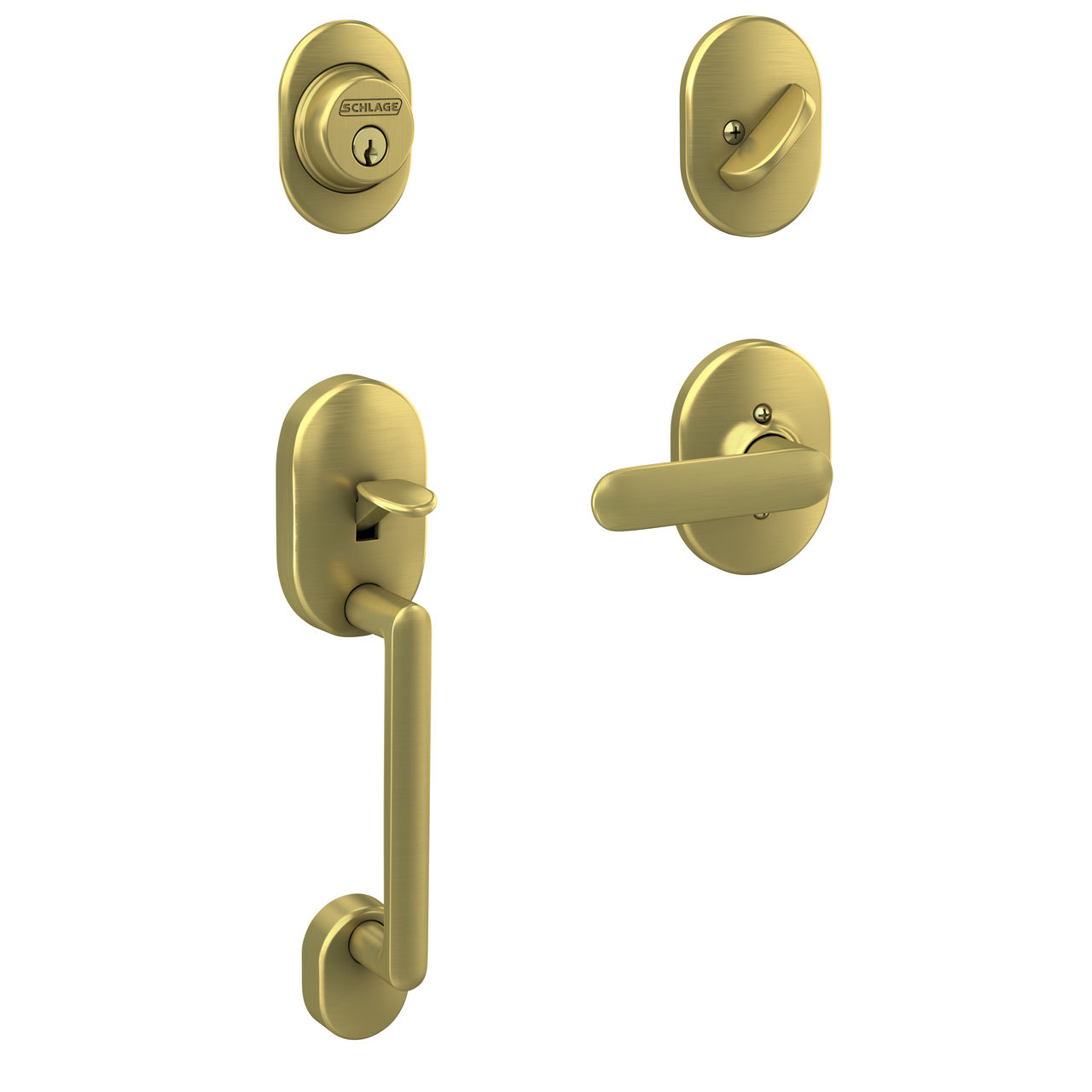
From $195.00
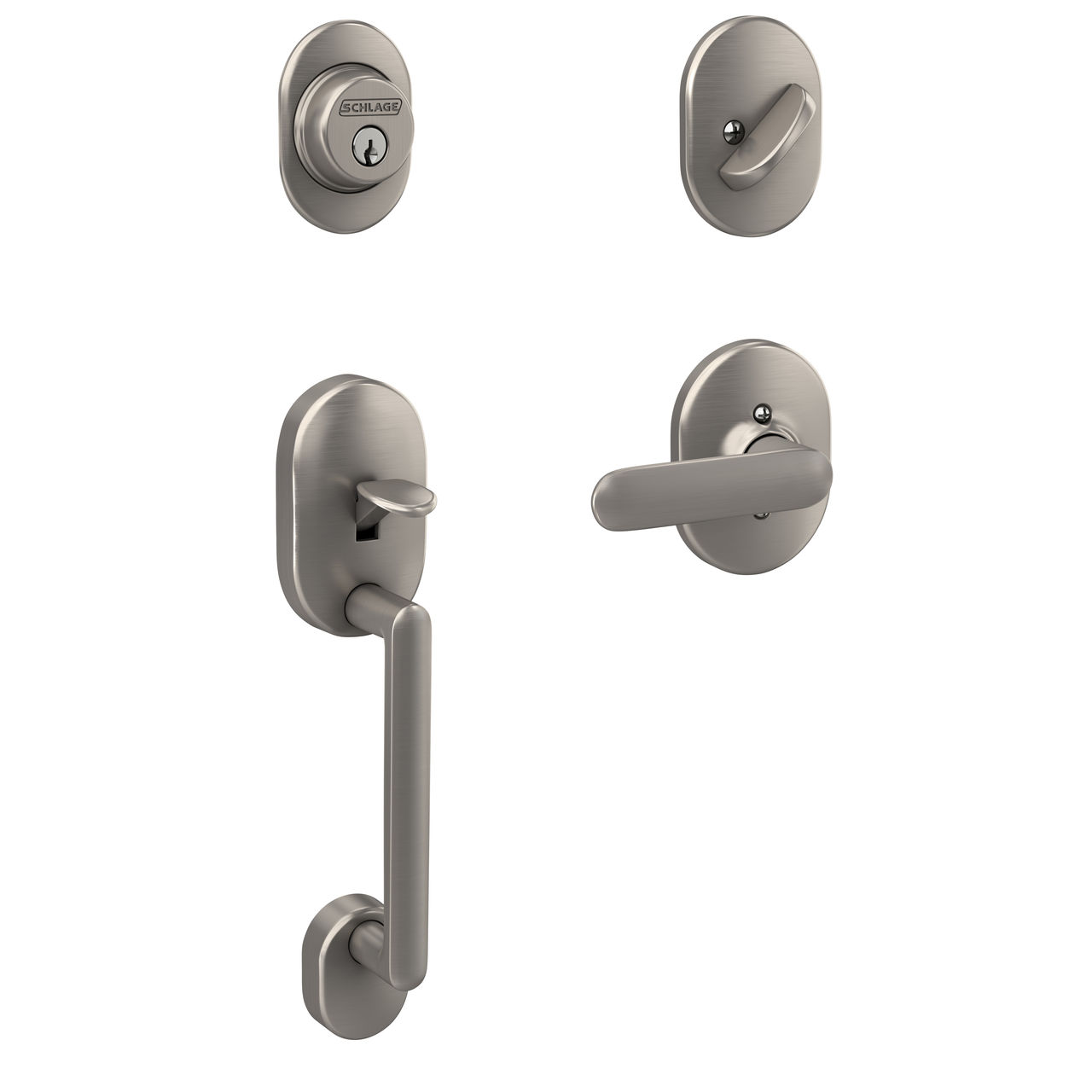
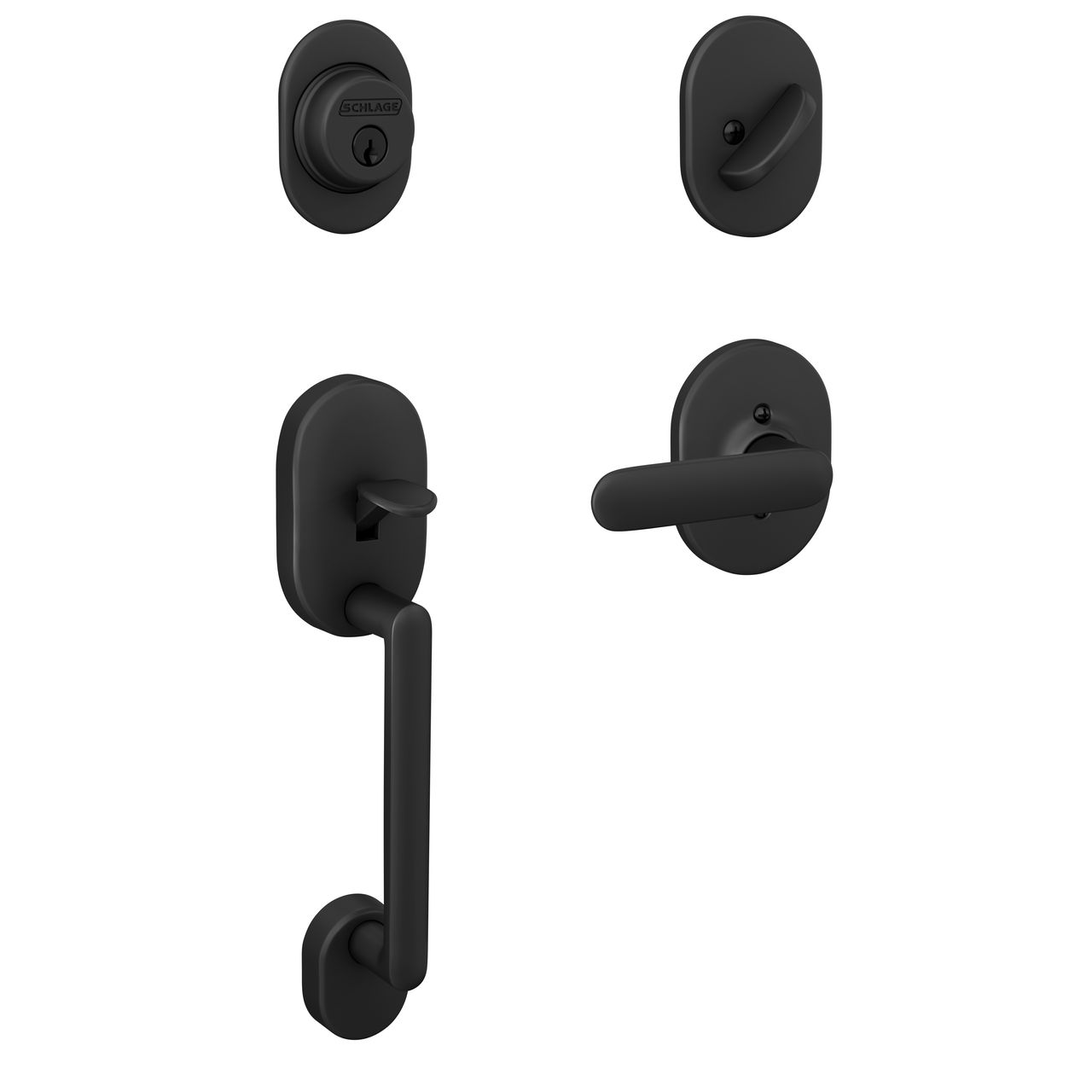
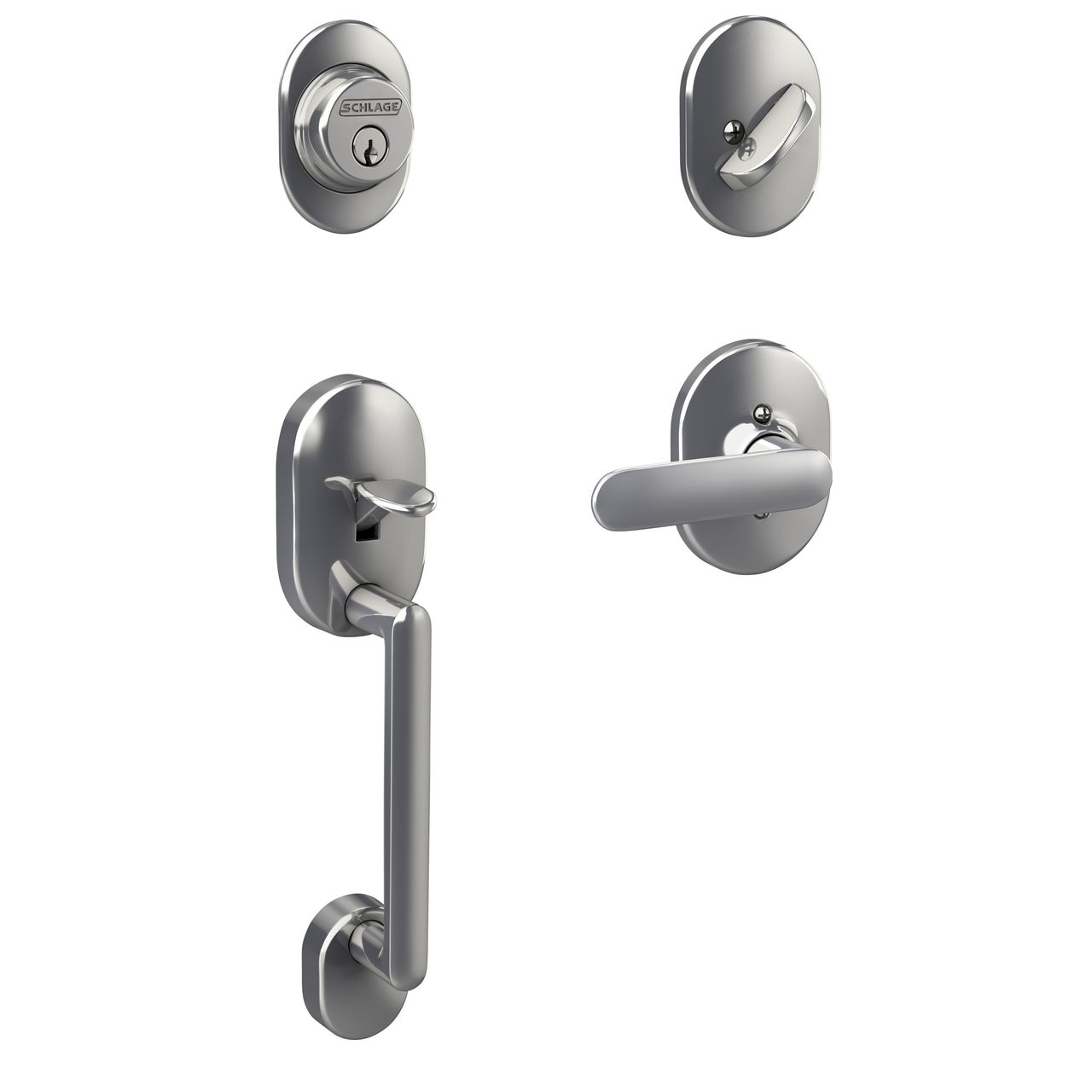
From $329.00
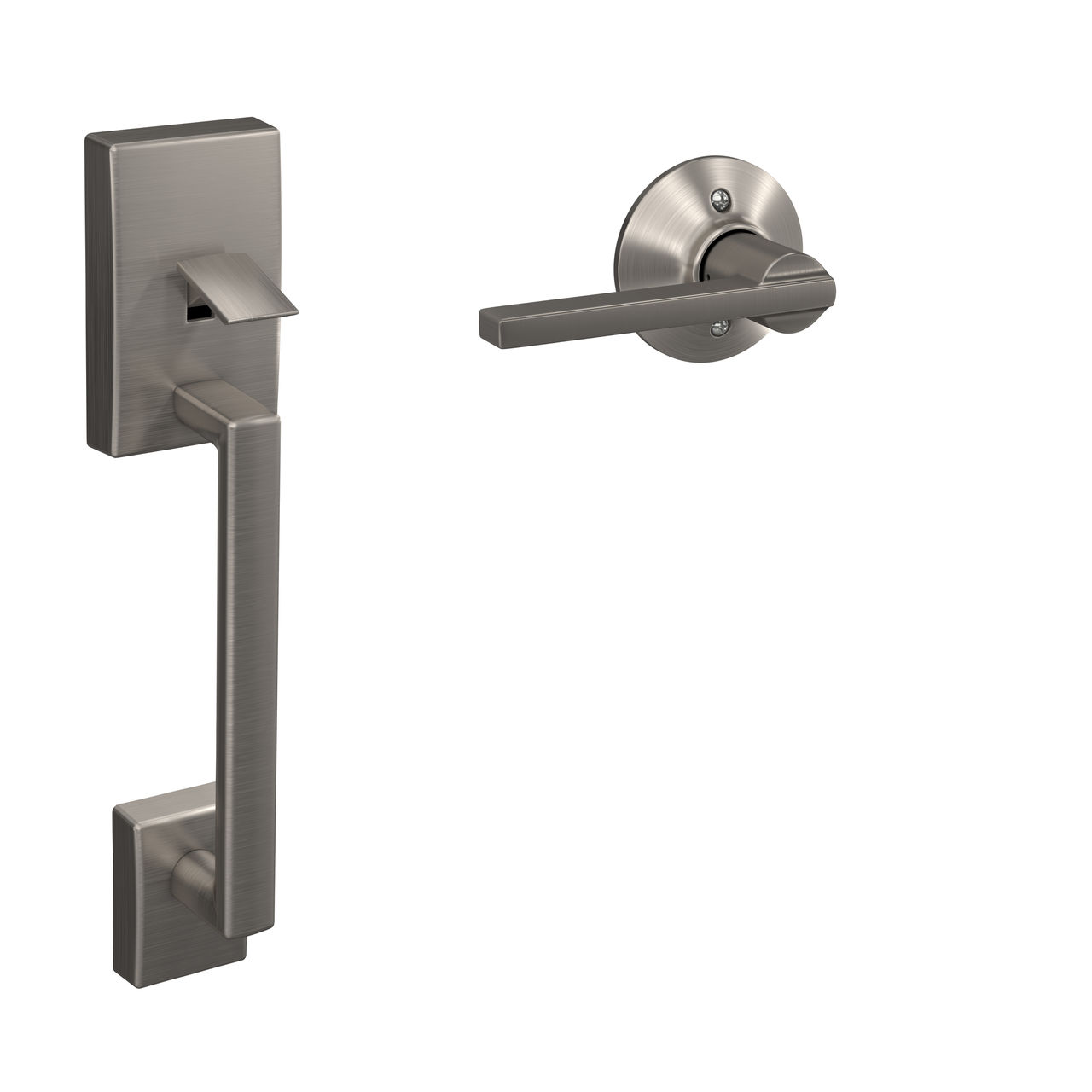
Century TRIM
From $128.99
From $128.99
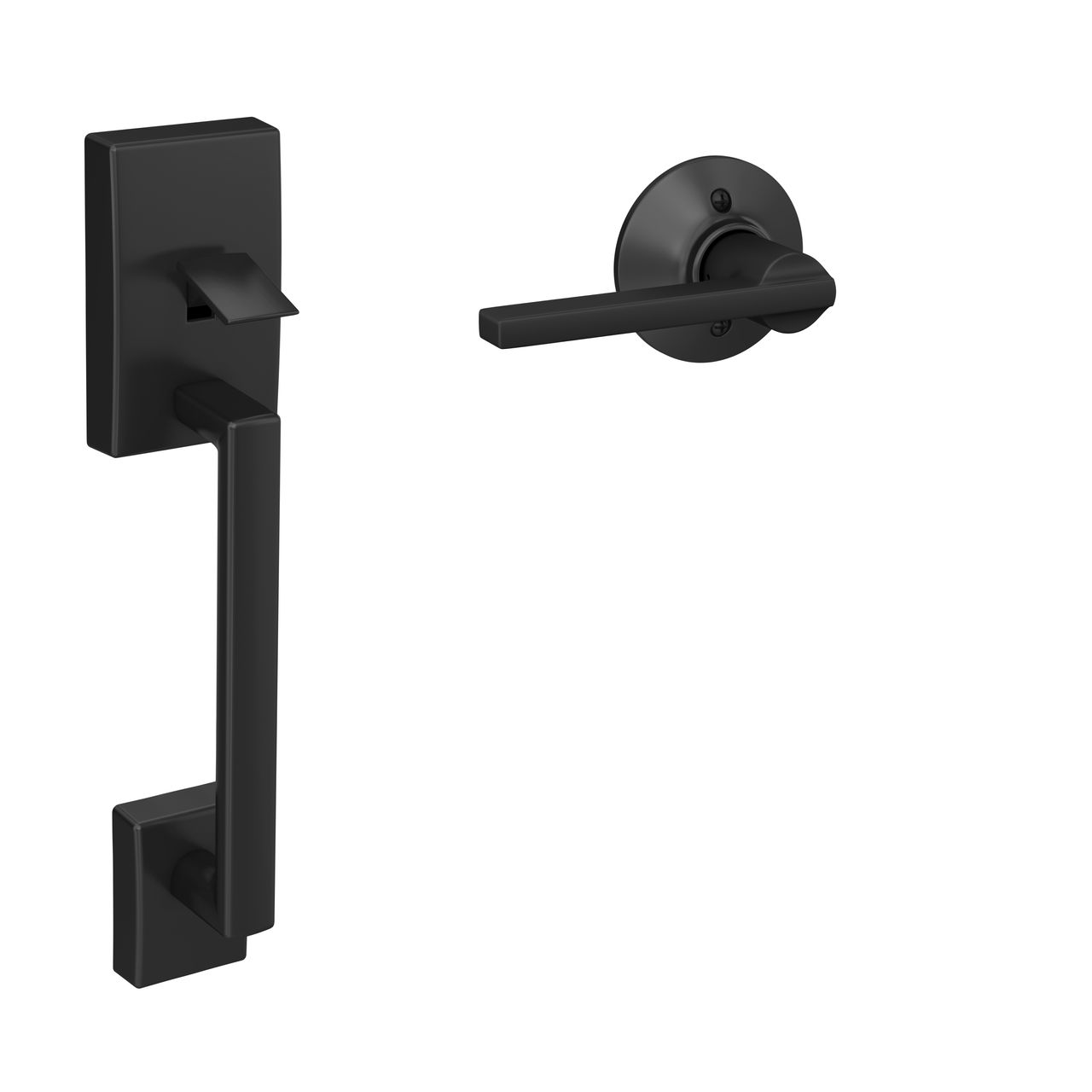
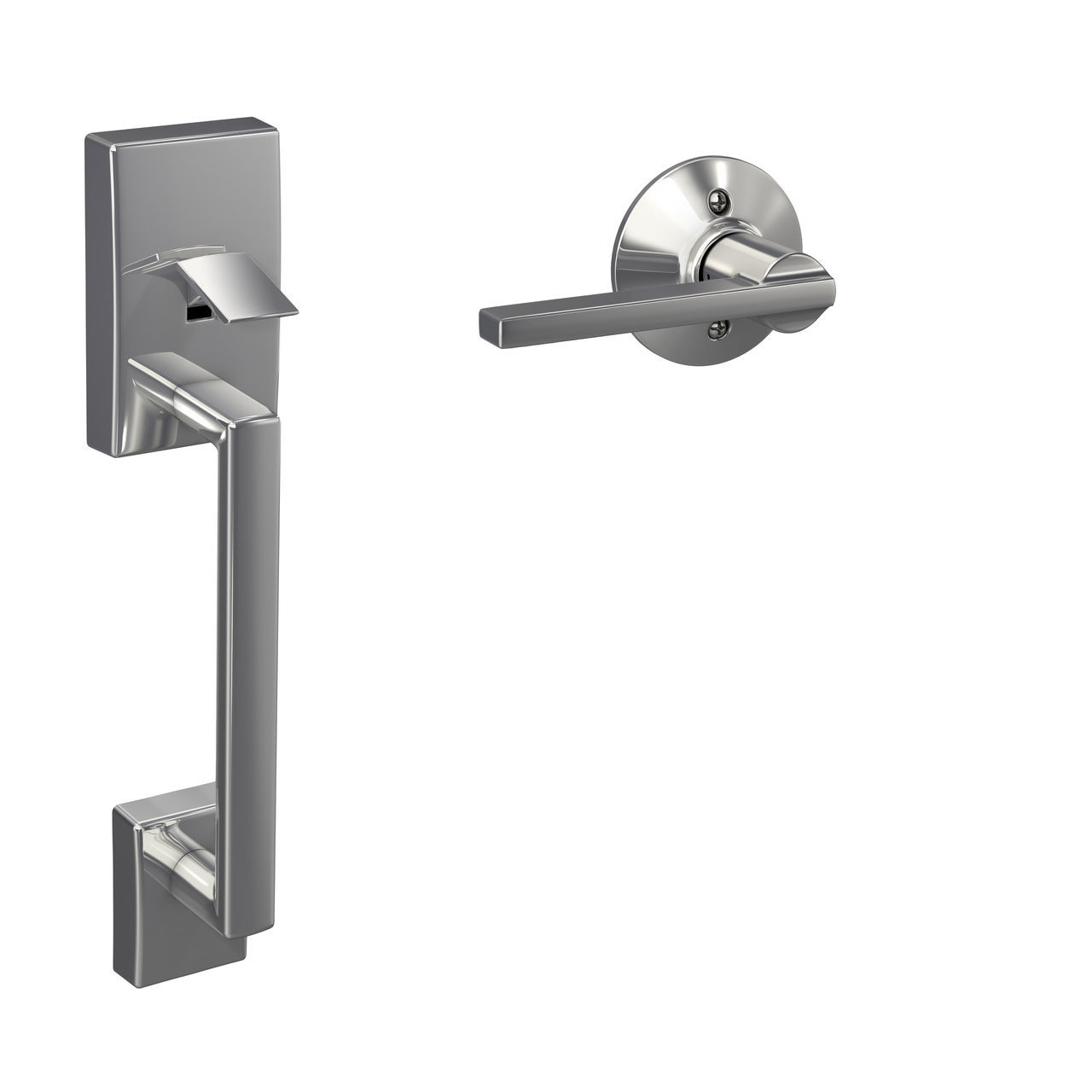

From $65.99
Standard TRIM
From $7.20
From $7.20
Never miss a beat - get the latest product updates, style tips and DIY tutorials sent right to your inbox.

Back to top